
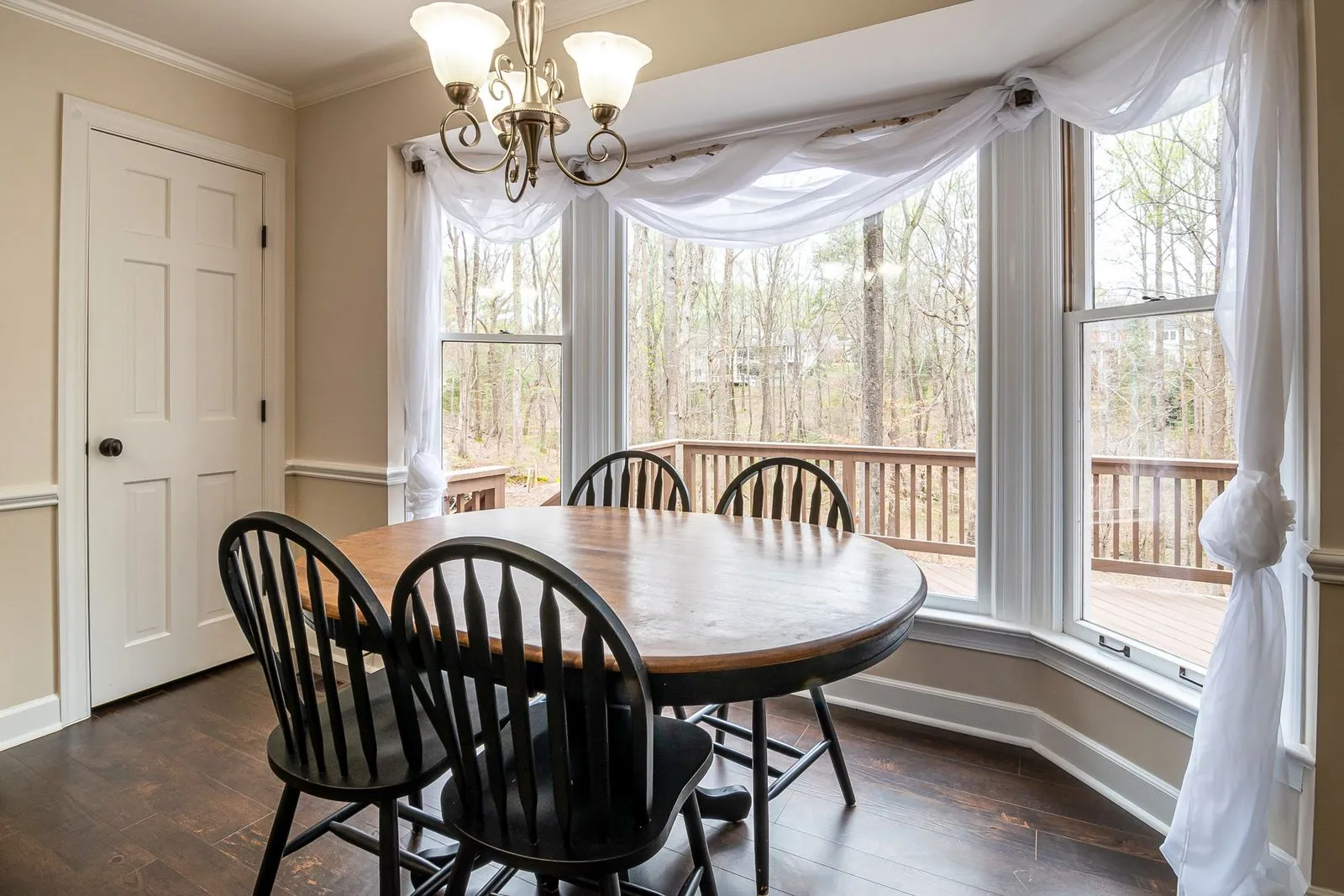
Bay windows add light and space, but their multiple panes, joints, and supporting parts can develop problems over time. A small draft or sticking sash may call for a straightforward repair; persistent leaks or widespread frame damage could point to replacement. Check the window from inside and outside, noting where you see or feel a problem and whether it changes with rain or temperature. These clues can help you describe the issue and choose a sensible next step.
Check for drafts and rising energy use
On a windy day, move your hand slowly around the sash edges, meeting rails, and joints where the bay window connects to the house. A steady draft can indicate worn weatherstripping, gaps in the caulk, or a sash that no longer closes tightly. First check that the window is fully latched. If air still comes through, note the location so you can distinguish a seal problem from a gap around the frame.
A draft does not automatically mean the entire window needs replacement. Weatherstripping or exterior sealant may solve a localized problem, while warped frames or several loose joints can be harder to correct. If one room stays uncomfortable or you notice condensation on nearby surfaces, compare conditions with other rooms and inspect the window seals. Those details help a window professional assess whether a repair is likely to restore a snug fit.
Look for moisture and staining
Inspect the sill, trim, corners, and floor beneath the bay window for water stains, bubbling paint, soft wood, or a musty smell. After rain, check whether water appears at the glass, around the frame, or where the window meets the wall. The entry point matters: failed glazing or caulk may be repairable, while repeated water exposure can damage the frame and surrounding structure.
Fog or droplets trapped between panes usually signal that the insulated glass seal has failed. Surface condensation is different: it forms on the room-facing glass and may relate to indoor humidity or cold weather. Wipe the glass and observe where moisture returns. Do not cover up a stain before finding its source; continued leaks can worsen hidden damage and make a future repair more extensive.
Test how the window operates
Open and close each movable sash gently. It should travel without scraping, binding, or needing extra force, and it should stay in place if designed to do so. Check that locks line up and engage. Dirt in the track or a loose lock may be simple to address, but recurring stiffness can point to a warped sash, damaged hardware, or a frame that has shifted.
Stop forcing a sash that will not move or latch. Extra pressure can crack glass or strain hardware. Look for uneven gaps around the sash and note whether the problem affects one section or the whole bay. A single worn component may be replaceable; multiple misaligned sections, especially alongside drafts or water damage, deserve a broader inspection.
Assess the frame and bay support
From a safe position, examine the exterior trim and frame for peeling paint, cracked caulk, loose joints, rot, or visible separation from the siding. Inside, look for trim pulling away from the wall or cracks that seem to grow around the opening. These signs can reflect ordinary sealant wear, but they may also indicate movement or moisture damage that needs attention beyond the window itself.
A bay window projects from the house, so its support matters as much as the glass and frame. Notice any visible sagging, gaps that widen over time, or movement when the window is gently operated; do not climb onto a roof or lean out to inspect hard-to-reach areas. If several problems appear together, arrange an assessment before deciding between repair and replacement. OKC Bay Window Co. can help evaluate bay window concerns in Oklahoma City.
A single worn seal or sticky sash may be fixable, while recurring leaks, widespread rot, poor alignment, or failed glass seals can signal a larger problem. Keep notes and photos of what you find, including when the issue appears. If you cannot identify the source or the damage keeps returning, arrange a professional inspection to discuss practical repair or replacement options.